Finding the right level of care
Everyone’s needs change over time, and we all want to keep as much independence as possible as our needs change. This page shows a simple care pathway of care options, from staying independent at home through to care home support, so you can see what each option offers and who it suits.
If you are unsure where to start, we can talk you through it.
The Syncora Care pathway
Independent living
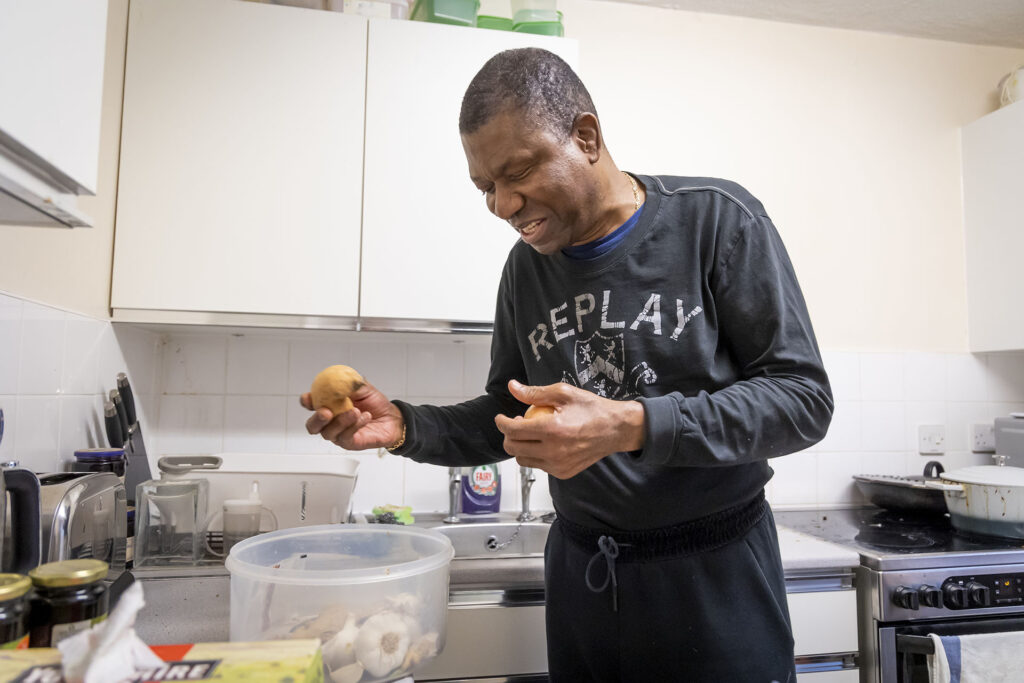
Stay in your own home but with support to manage your tenancy and maintain your independence. This may be in the form of a package of care (domiciliary care), community support, wellbeing support and/or support for specific needs.
Good for: People who can live independently with some low-level support.
Community support services
Sometimes you don’t need a formal package of care , you just need a bit of help to make life easier. Our community support options offer light, everyday support that keeps you connected, confident, and independent in your own home
This can include:
- Dog walking
- Bathing assistance that isn’t personal care
- Help ordering online shopping
- Someone to go with you to appointments or events
- Cleaning and household tasks
- Friendly companionship and conversation
Good for: Anyone who wants small bits of support to stay independent, active, and well.


Home care (domiciliary care)
Carers visit at set times to help with personal care, meals, medication prompts, and household tasks,while you remain at home. Care is planned for times that suit you and your needs.
Good for: People who are safe in their own home and require a structured care plan to support them.
Supported living
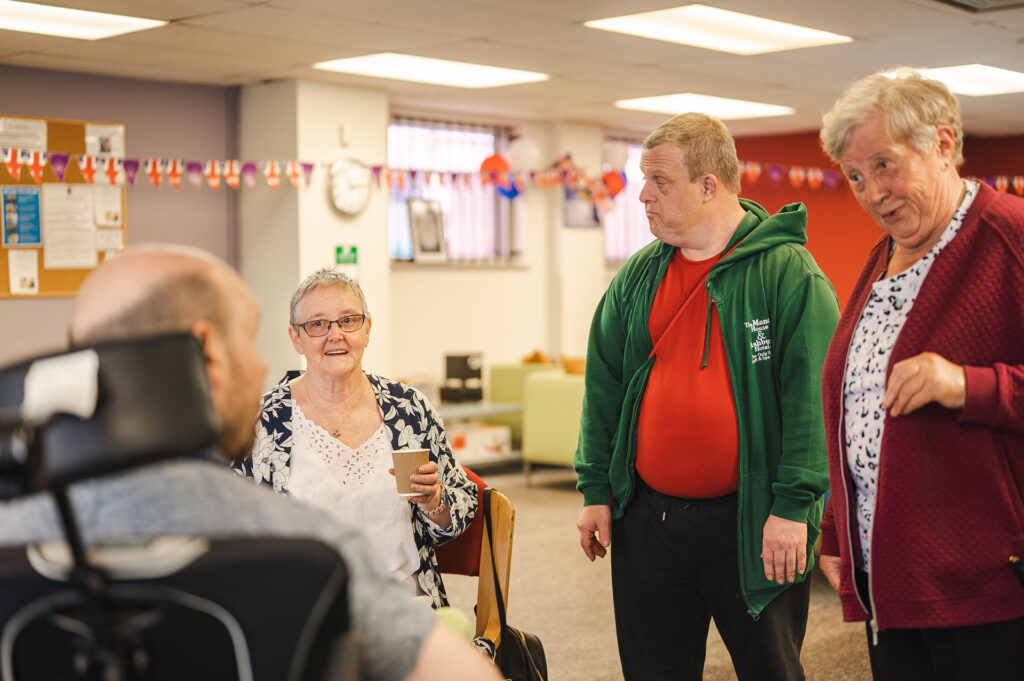
Your own flat or a small shared house, with staff support on site or nearby. You keep your tenancy, front door, and as much independence as possible. Support levels vary based on a needs assessment and can include life skills, budgeting, and personal care.
Good for: People with disabilities, learning disabilities, or mental health needs who can live semi‑independently with regular support.

Extra care housing
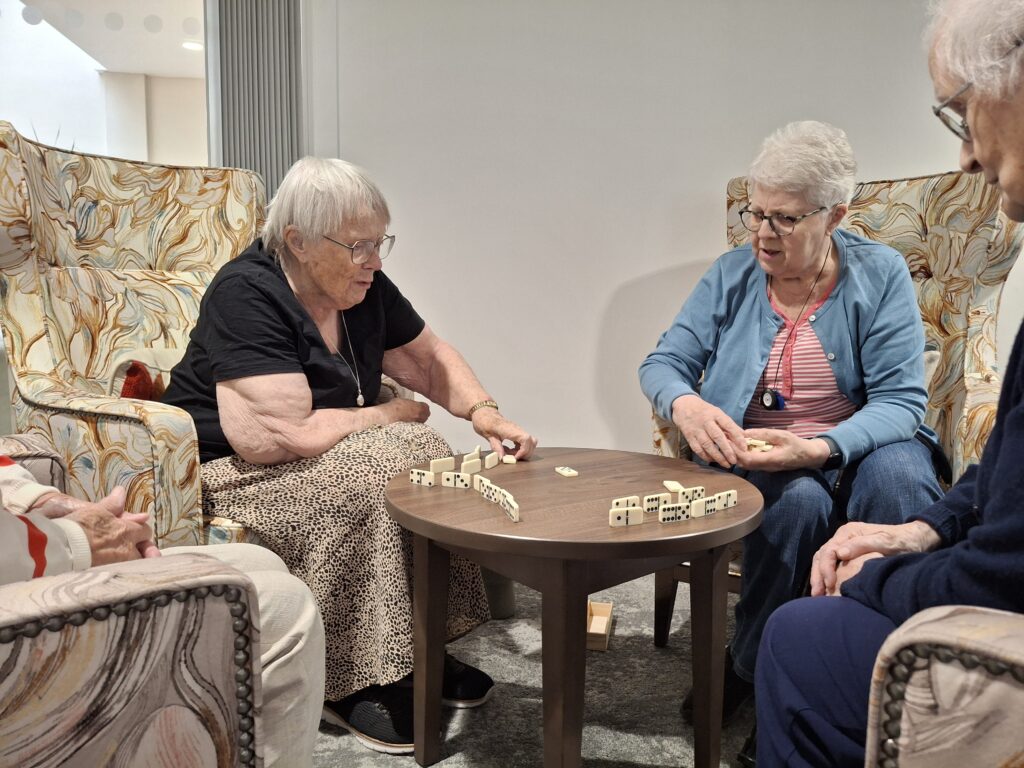
Extra Care offers a self-contained home designed to help you live independently for longer. This is usually your own apartment with bedroom, bathroom, and kitchen, alongside care and support which can adapt as your needs change. A support team is available on site 24 hours a day, with shared facilities, activities, and an emergency response system, while it remains your own home.
Good for: Older adults who want independence with higher‑level, on‑site support available when needed.
Residential care
You move into a care home that provides accommodation, daily personal care, meals, and activities. Some homes also provide nursing.
Good for: People who need 24‑hour supervision and support.

Residential care with dementia support
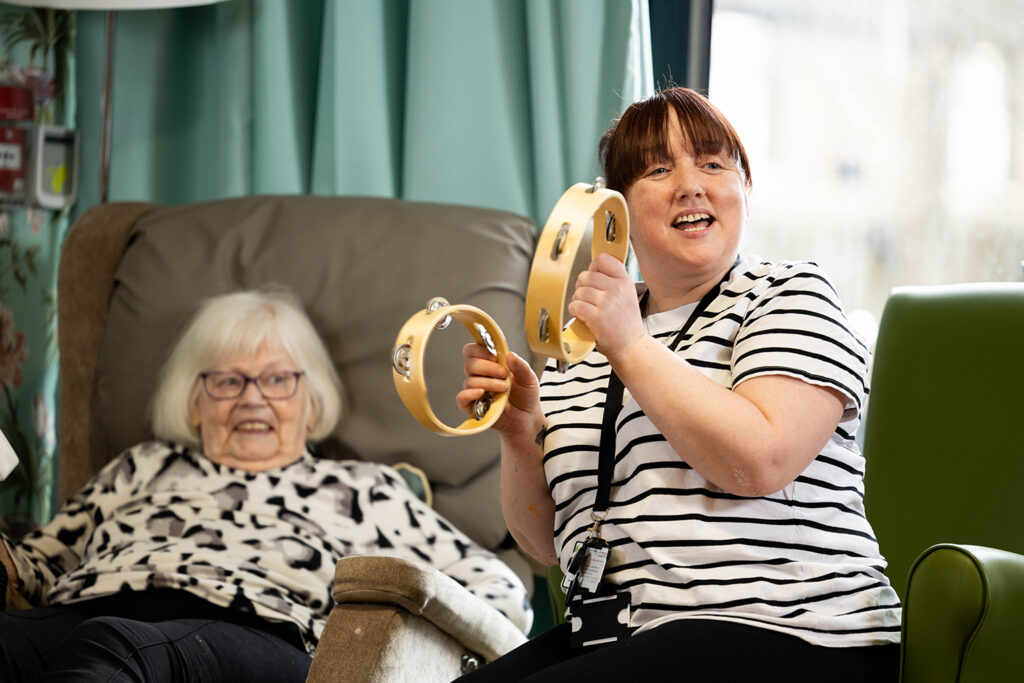
Everything in residential care, plus specialist dementia‑trained staff and environments that are dementia friendly.
Good for: People living with dementia who need structured support and a therapeutic setting.
Compare your options
Use this as a quick guide. Your own care needs assessment will confirm what is right for you.
| Care type | Where you live | How much support | Types of support | Who it’s for |
| Independent living | Your own home | None or light community support | Community groups, technology, family | People with no or low support needs |
| Home care | Your own home | Low to moderate, scheduled visits | Personal care, meals, medication prompts, domestic help | People who are mostly independent but need help at set times |
| Supported living | Your own flat or shared house | Moderate, flexible; staff on site/nearby | Daily living skills, personal care, social and community support | People who can live semi‑independently with regular support |
| Extra care housing | Apartment in a specialist scheme | Higher‑level, on‑site 24/7 (not nursing) | Personal care, housing support, activities, call response | Older adults who want independence with on‑site support |
| Residential care | Care home | Full daily support; 24/7 supervision | Personal care, meals, activities; some homes offer nursing | People needing round‑the‑clock support |
| Residential care (dementia) | Care home with dementia specialism | Full daily + specialist support | Dementia‑trained staff, adapted spaces, structured routines | People with dementia who need a safe, therapeutic setting |
Making the right decision for you
Choosing the right level of care can feel overwhelming, but it doesn’t have to be. A few simple questions can help you get started:
- What support do you need day‑to‑day?
- Where do you feel most comfortable living?
- How much help do you want nearby?
- Are your needs likely to change?
If you’re not sure how to answer these, that’s completely normal.
Just contact us and we’ll help you explore the right care and support for you.